The 10 Best Vocal Removers (2026)
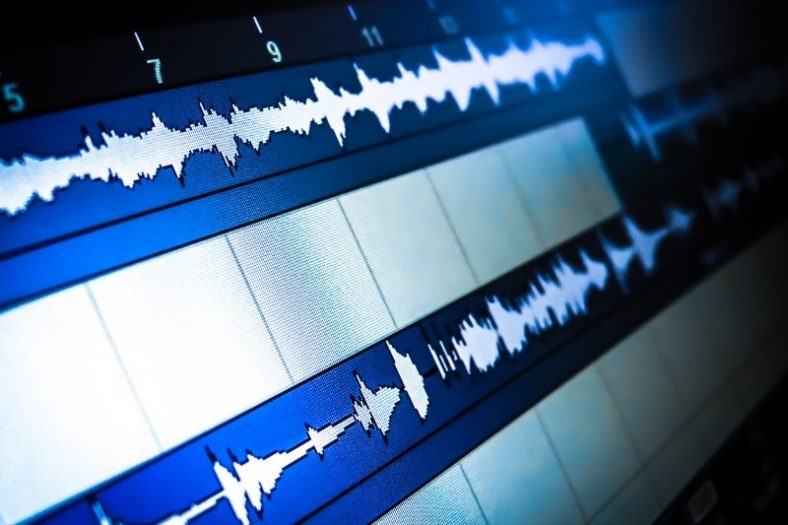
Vocal removers are tools used to extract the vocals from a song and keep just the instrumental. The instrumental track can be used for karaoke, cover songs, jamming and remixing, while the isolated vocal can be saved as an acapella.
For a quick browser split, Vocal Remover and Isolation is an easy place to start. LALAL.AI offers more separation options with paid downloads, while Ultimate Vocal Remover is a useful free choice for processing on your own computer.
Contents
1. Vocal Remover and Isolation
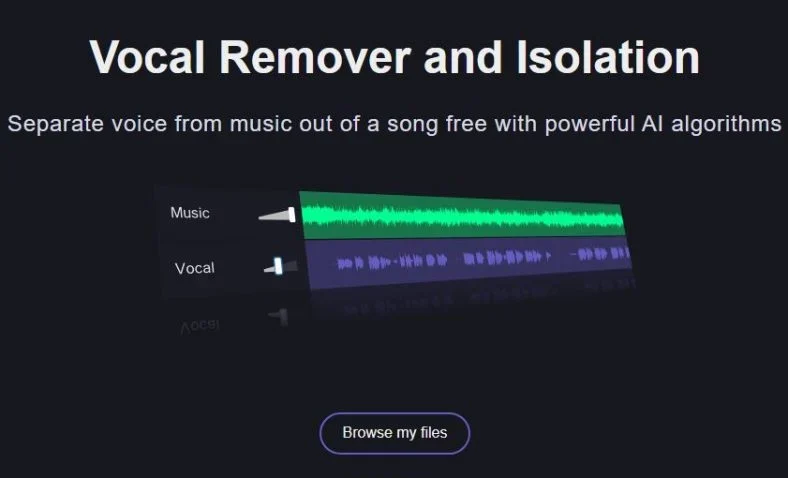
Simple and straight to the point with a very user-friendly interface, Vocal Remover and Isolation is an AI-powered online tool for separating vocals from instrumental tracks. Visit the platform, upload a song from your device, and let it produce a karaoke track and an isolated vocal track. You do not need a DAW or a plugin host.
It is a useful first stop for beginners who want a quick backing track without installing software. The service offers free use alongside paid membership options, so do not assume that every processing allowance is unlimited. Listen to both stems before using them: reverb, backing vocals and instruments that overlap the singing can leave audible traces.
2. LALAL.AI
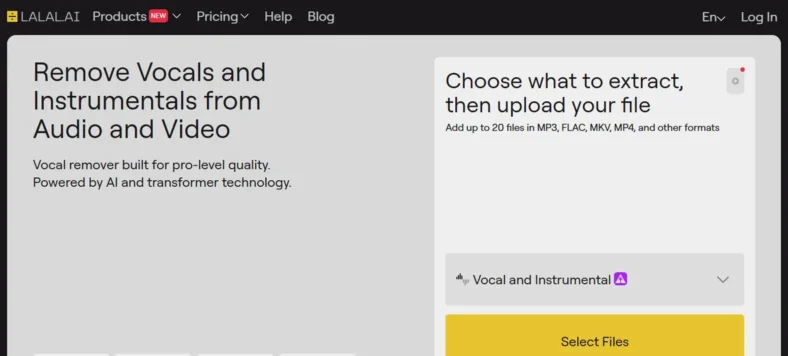
LALAL.AI is an AI-powered vocal remover with additional tools for separating instruments in a song. Upload an audio or video file, select vocal and instrumental separation, then preview the result. It also supports individual instrument extraction and separate lead and backing vocals, which gives remixers more options than a simple karaoke export.
The free Starter plan is for previews, rather than downloadable finished stems. Lite includes result downloads and batch processing, while Pro adds the VST plugin and local processing in the desktop app. The browser version needs no plugin host; the VST option does. Choose the plan for the workflow you actually need instead of assuming that a free preview includes the finished audio.
3. Audacity
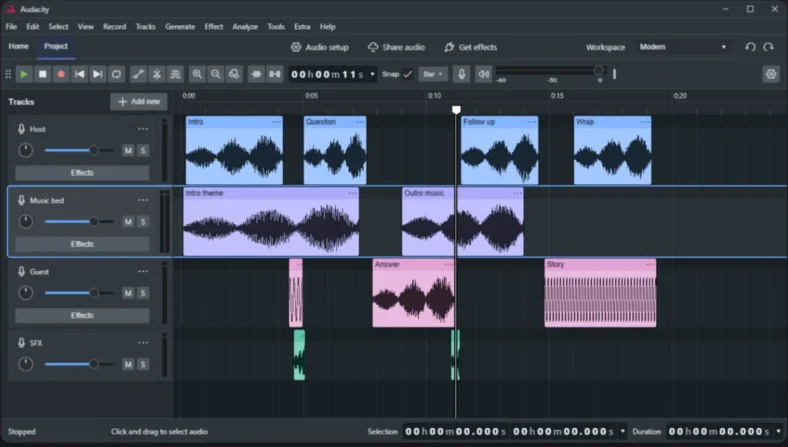
Audacity is a free, open-source audio editor for Windows, macOS and Linux. It is useful for trimming, fading and exporting separated vocals or backing tracks, as well as working on the original recording. It runs as a standalone editor, so you do not need another DAW to use it.
Vocal removal needs more care than simply opening the Effects menu. The old Vocal Reduction and Isolation effect has not been bundled since Audacity 3.5 and is available separately as a Nyquist plugin. OpenVINO Music Separation can split vocals from an instrumental in a compatible installation, but its official download page warns that it is not yet compatible with the latest Audacity release. Do not assume that installing Audacity 4 automatically gives you a working AI separator.
For a new, dedicated separation setup, Ultimate Vocal Remover below is the more straightforward free option. Keep Audacity for editing the resulting files, or use the older center-channel method when the source mix suits it. Center cancellation can remove bass and other centered instruments along with the vocal, so it is not a substitute for clean source stems.
4. PhonicMind V.2.0

PhonicMind V.2.0 is an online vocal remover with an interactive stem player. Instead of treating every song as vocals, drums, bass and one leftover track, it detects the musical parts present in the recording. Depending on the track and tier, it can separate lead and backing vocals alongside instrument groups and provide up to eight recognized stems.
Preview the song before choosing a conversion. The Sing subscription is for in-player vocal practice and does not include downloads. Play adds MP3 exports of a custom mix or soloed stem, while Studio adds lossless FLAC mix and stem exports. There is also a one-song Studio conversion for occasional use. That makes the export entitlement especially important: paying for the basic singing plan does not give you files to take into a DAW.
5. Adobe Audition
If you already use Adobe Audition, its Center Channel Extractor offers hands-on control over vocal reduction. This standalone Windows and macOS editor requires a paid subscription and Adobe account activation. It makes more sense for someone who also needs audio editing and restoration than for a beginner who only wants one karaoke file.
Open the song and choose Effects > Stereo Imagery > Center Channel Extractor. Lower the center level to reduce sounds shared between the left and right channels, or lower the side level to emphasize the center. The frequency range and discrimination controls help adjust what is affected.
The limitation is the mix itself: vocals are often centered, but so are bass, kick drums and some lead instruments. Wide vocal effects may remain while other instruments disappear. This is a stereo-processing technique, not AI recognition of a singer, and a subscription does not guarantee clean vocal isolation.
6. Audioalter
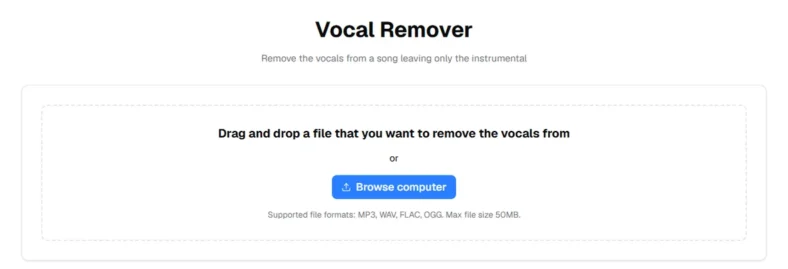
Audioalter is a free browser tool for reducing centered vocals. Upload an MP3, WAV, FLAC or OGG file within its upload limit, process it and download the result. There is no standalone program or plugin host to set up.
Audioalter uses Out Of Phase Stereo processing rather than an AI stem model. It subtracts the two stereo channels, which can cancel a centered vocal but also centered instruments. It will not work as intended on mono recordings or songs with vocals panned away from the center. It is worth trying for a simple stereo mix; for more difficult material, use one of the AI options instead.
7. Ultimate Vocal Remover
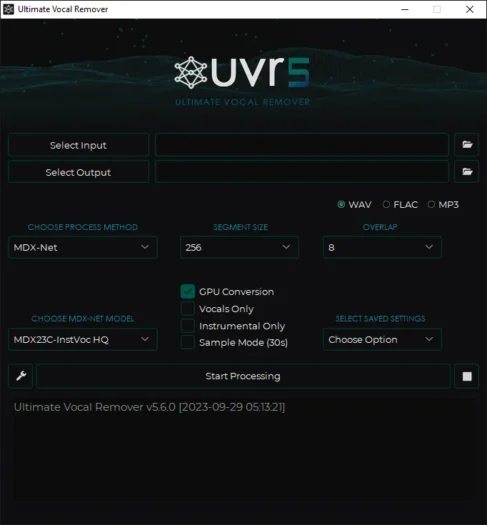
Ultimate Vocal Remover is a free, open-source desktop application for separating vocals and instruments locally. UVR 5.6 offers a choice of source-separation models, so it is a useful option when a quick browser split leaves too much vocal bleed. It runs on Windows, macOS and Linux without a DAW or subscription.
Choose the input file, output folder and separation model, then process the track. Local processing keeps the audio on your computer, but the models need downloading and can place a heavy load on your hardware. Processing speed varies with the model and your CPU or supported GPU. The project provides separate Apple silicon and Intel Mac downloads and requires a 64-bit system.
UVR gives you more choices than a single upload button, which also means more setup. Start with a suitable vocal/instrumental model before experimenting with more involved combinations. Use the official project downloads rather than a similarly named paid service; the UVR application itself is free.
8. Moises
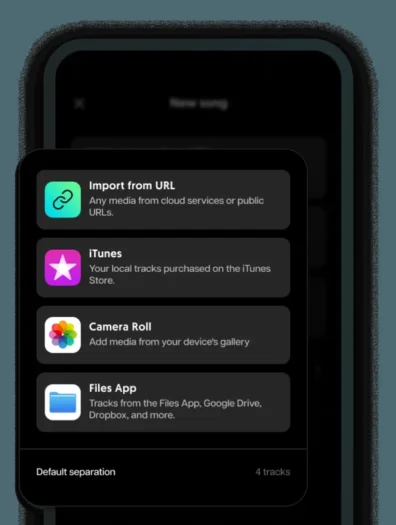
Moises combines vocal removal with tools for practicing music. Separate a song, mute the vocal and rehearse with the backing track, or solo the singing to study a phrase. The mixer, speed changer, pitch changer and chord tools make it especially useful when you want to learn a song rather than simply download an instrumental.
You can use Moises in a browser or through its desktop, iPhone, iPad and Android apps. An account gives you a limited free upload allowance; paid subscriptions provide higher limits and additional features. Hi-Fi separation belongs to the Pro plan, so the free tier should not be presented as the full paid separation package. No DAW or plugin host is required for the web and app workflow.
Moises is the better fit here for repeated practice sessions across devices. UVR is more appealing if your priority is a free local separation workflow and you are comfortable managing models on a computer. In either case, preview the stems before relying on them for a performance or production.
9. WavePad
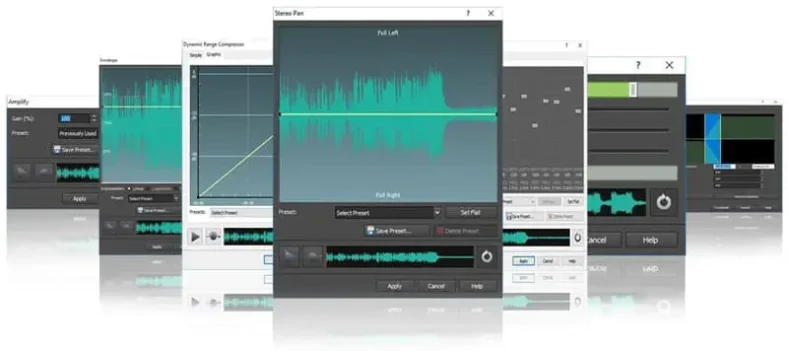
Similar to Audacity in many ways, WavePad is a standalone sound editor with vocal-reduction tools. Its desktop versions run on Windows and macOS. A separate free edition is available for non-commercial use. For a completely free AI-separation workflow, UVR above is the clearer choice; WavePad is worth considering for its paid desktop editing and vocal-reduction tools together.
In the paid desktop workflow, load the song, then choose Effects > Voice > Reduce Vocals. The desktop help describes AI/machine-learning reduction, parametric reduction and simple channel subtraction. Start with the AI method for a mix that does not suit center cancellation, then preview the result before applying it. Stronger reduction can introduce more artifacts.
WavePad is useful when you want to edit and convert the result in the same application. It supports formats including WAV, AIFF, FLAC, OGG, AAC, M4A and MP3. Its stereo-based methods can affect other centered sounds, and none of the methods guarantees a completely clean backing track.
10. Media.io

Media.io offers AI vocal separation as part of its browser-based audio and video tools. Upload a supported audio or video file, select vocals and background music, and generate the separated tracks. You can preview the output before downloading it, with no DAW or desktop installation required.
The current service provides free credits on signup or login, rather than an unlimited free-download promise. Further processing depends on your available credits and plan. It is a convenient choice if you already work with Media.io or need to separate audio from a video, but check the available allowance before uploading a batch of songs. As with the other AI tools, the original mix and its vocal effects influence the result.
What is a Vocal Remover and how does it work?
A vocal remover is a tool used for separating the vocals and the instruments in a song into two separate stem tracks. Some vocal removers are AI-powered, while others work by isolating the center channel in a stereo mix or reversing the polarity of the left and right channels.
For a straightforward vocal/instrumental split, an AI-powered tool is usually the easiest starting point. Center-channel processing remains useful when a stereo mix suits it and you want to adjust which frequencies and pan positions are affected.
How Effective are Vocal Removers?
Vocal removers can produce useful backing tracks, but they do not work perfectly on every song. Dense arrangements, heavy vocal reverb, backing harmonies and compression artifacts can make separation harder, and some tools will leave audible vocal bleed.
What production techniques are used to remove vocals?
AI source separation uses trained models to estimate vocal and instrumental parts. Traditional center-channel methods instead rely on the vocal being shared between the left and right channels of a stereo mix.
You can try center cancellation in a digital audio workstation or an editor with the appropriate effect. However, please keep in mind not all songs were mixed homogeneously. Some vocal tracks were mixed way too wide, meaning they continue to appear loudly in the side channels, and others (while rare) weren’t even placed at the center of the mix at all.
AI-powered vocal removers can identify vocal patterns without relying only on stereo position. This makes them useful for mixes with wide vocals, though they can still leave bleed or introduce artifacts.
Are Vocal Removers free or paid?
There are plenty of high-quality free vocal removers out there, which means you don’t have to pay to effectively remove vocals from songs. Naturally, paid options also exist, and may include additional benefits such as multi-track processing and added file formats.
Free software, free previews and free credits are different entitlements. UVR is a free local application; LALAL.AI Starter provides previews without result downloads; Media.io gives an account a starting credit allowance. Check whether the option includes the finished file you need.
Is Removing Vocals difficult to do?
Browser-based AI vocal removers usually handle the separation automatically after you upload a file. Local applications can take more setup, especially when you need to choose and download models. Audacity and Adobe Audition also require you to understand the effect or plugin you are using.
Extra controls can help you adapt the processing to a difficult track. For example, Audition lets you adjust center-channel extraction, while UVR lets you choose a separation model. These choices also take longer to learn.
Conclusion
For karaoke and quick practice tracks, a browser tool is the easiest starting point. Choose Moises if you want practice controls alongside separation, or UVR if you want a free local application. Keep Audacity, Audition or WavePad in mind when editing the finished audio matters as much as removing the vocal. Listen closely before exporting: a usable practice track and a clean production stem are different demands.