10 Instruments Used in Reggae Music

Bass guitar, drums, electric guitar, piano and organ form the core of many reggae bands. Congas, shakers and a horn section can add extra movement and melody, but the sound depends just as much on how the instruments fit together.
A guitar that plays brief chords between the main beats, a bass line with carefully placed pauses and a drummer who leaves room around the kick can make a small ensemble sound unmistakably reggae. These ten instruments appear in reggae, each with a different role.
A reggae band does not need all ten instruments. Roots reggae, dub and other approaches use different combinations; our guide to the types of reggae music explores those styles in more detail.
Contents
1. Bass Guitar

The bass guitar is often the first instrument worth listening to in a reggae recording. Its low notes establish the harmony while its repeating rhythm gives the song a recognizable shape. A memorable bass line can be a hook in its own right, rather than simply following the guitarist’s chord changes.
Players commonly favor a rounded tone with a strong low end. Just as important is the length of each note: a short note followed by silence feels different from a note that continues across the beat. Those choices help the bass and drums move together without playing identical patterns.
Try following the bass through a verse and chorus. Notice where a phrase repeats, where it changes and where the bassist deliberately stops. If you want to play reggae bass, learning the pauses as accurately as the pitches is a useful starting point.
2. Drum Kit

The drum kit provides the framework that the other instruments work around. The kick, snare and hi-hat can create a powerful groove with relatively few hits, while tom fills and cymbal accents mark transitions between sections.
One well-known pattern is the one drop. In a common four-beat count, the kick and snare or cross-stick emphasize beat three, while the kick leaves beat one empty. The hi-hat helps carry the pulse across that space. Cross-sticking means resting a stick across the snare and striking the rim to produce a dry click.
That pattern is only one possibility. Reggae also uses more driving beats, including steppers, with a kick on each quarter-note beat. Listen to the kick before assuming every reggae song uses the same rhythm. The drummer shapes the groove through the placement and sound of each hit, including the spaces left between them.
3. Electric Guitar

The short, clipped chord sound associated with reggae is often called the skank or chop. A rhythm guitarist places these chords on the offbeats and quickly stops them ringing. The result has a percussive quality, even though the guitar is also supplying harmony.
You can hear offbeats as the “ands” between “one, two, three, four,” although musicians may count the same groove at a different pulse. The important thing is the relationship to the band: the guitar fills spaces around the main beat rather than continually strumming across it.
For a simple practice exercise, play a chord briefly, then relax your fretting-hand pressure to mute the strings. Keep the timing even before adding variations. A second guitarist may play melodic fills or a solo, so an electric guitar is not restricted to rhythm work; the two roles should leave each other room.
4. Piano
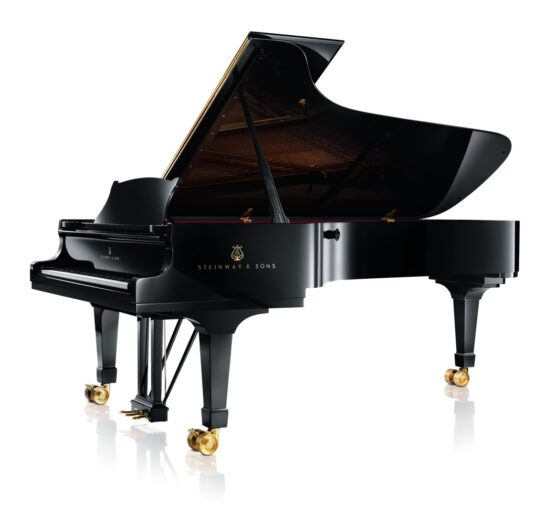
A piano adds a sharply defined attack that can reinforce the guitar’s offbeat chords. Its notes decay after the initial strike, leaving space between the chord accents.
The pianist might double a guitar chop, play a separate chord pattern or answer the singer with a short melodic phrase. An acoustic piano, electric piano or a keyboard’s piano sound can fill this role, although their textures differ.
In a band with both piano and organ, the two parts do not need to be identical. Listen for the piano’s initial strike beside the organ’s more continuous sound. For players arranging a song, keeping piano chords away from the bass guitar’s lowest register can make it easier to hear both parts clearly. Adding more piano notes will not necessarily strengthen the groove.
5. Organ

The organ supplies another distinctive layer in reggae. Unlike a piano note, an organ tone can continue while the player holds the key, allowing both short rhythmic figures and longer background chords.
The bubble is a keyboard accompaniment that works around the chop. Its interlocking pattern adds movement between the stronger chord accents and helps establish whether the groove feels straight or swung. It may be subtle in a full mix, but it gives the rhythm a texture that a single repeated guitar chord cannot provide.
Hammond organs feature in classic Jamaican recordings, and modern players can use keyboards that reproduce an organ sound. For listening practice, follow the quieter keyboard motion behind the singer instead of the loudest chord strike. For playing, start with a small chord shape and learn how the part sits against the drums before adding more layers.
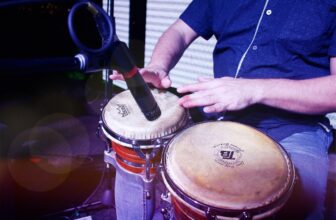
6. Congas

Congas are tall, single-headed hand drums. A percussionist can produce several contrasting sounds, including resonant open tones and sharper slaps. In a reggae arrangement, those colors can add a moving pattern around the drum kit.
They work particularly well when their part complements the drummer. Rather than duplicating every snare accent, a conga pattern might occupy another part of the bar or place a short fill between vocal phrases. The separate conga pattern adds another rhythmic part to the band.
Congas are not essential to every reggae track, and their presence does not mean the song follows a salsa rhythm. The surrounding groove determines how the instrument functions. If you are adding hand percussion to a recording, introduce one clear pattern first and check that it supports the bass and kick before making it busier.
7. Saxophone
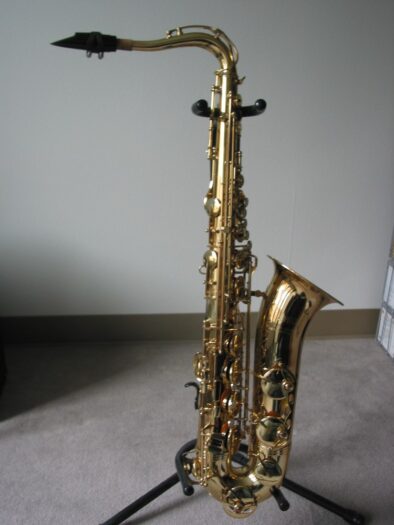
A saxophone can supply a memorable melodic line, a solo or one voice within a horn section. Its reed-driven sound contrasts with the brass instruments beside it, helping a group of horns sound fuller than several identical instruments playing together.
Tenor and alto saxophones offer different registers and colors. The arrangement guides the choice; reggae does not require a particular saxophone. A saxophonist might double a trumpet melody or play a separate harmony beneath it.
Listen for short horn phrases that answer the singer, particularly where the vocal leaves a gap. These phrases can make a chorus recognizable without running throughout the whole song. A solo changes the instrument’s job: the saxophone moves into the foreground while the rhythm section maintains the repeating foundation.
8. Trumpet
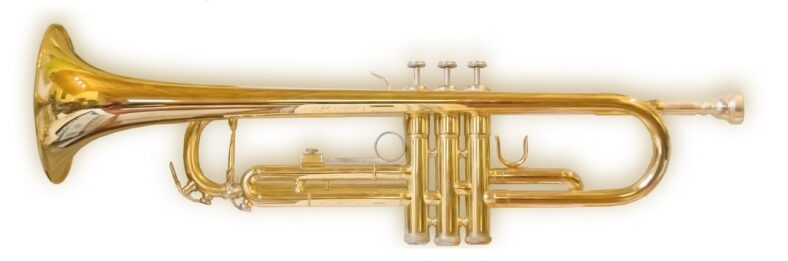
The trumpet gives a horn arrangement a clear, bright upper voice. It can carry the top note of a chord, state a short riff or add an accent that cuts through the guitars and keyboards.
A reggae trumpet part does not have to be loud or busy. A few accurately placed notes can help define the hook, and a softer phrase can sit comfortably behind a singer. Articulation also matters: a clipped note has a different effect from a sustained one, even at the same pitch.
When several horns play a phrase together, their starting points and note lengths need to agree. Listen to whether they finish a line cleanly or let it hang over the next beat. That ending can be as noticeable as the melody itself. A trumpet adds another sound to the arrangement, though many reggae bands play without one.
9. Trombone
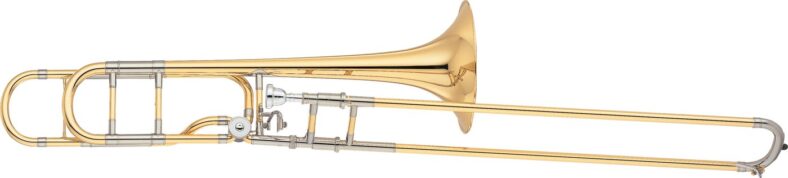
The trombone often gives a horn section a lower voice, supporting a trumpet or saxophone above it. Its slide also allows smooth movement between pitches, although a player can articulate precise, separated notes when the arrangement needs them.
A low horn phrase can add weight without being another bass line. Keeping it distinct from the bass guitar allows both instruments to remain audible: one provides the repeating low foundation, while the other contributes a melodic or harmonic response.
Try listening to a horn passage more than once. First follow the highest line, then listen underneath it for a second moving part. Horns can play together in unison, in octaves or in harmony. The trombone’s role changes with that choice. A small band can use one horn effectively; it does not need a full section to add this kind of contrast.
10. Shakers

A shaker makes sound when its enclosed beads or other small objects strike the inside of its body. In a reggae groove, it can add a light, repeating layer above the heavier drum and bass sounds.
The part may be easy to miss until it disappears. Repeated subdivisions help connect the larger beats, while accents give the pattern its shape. A percussionist can make a basic repeated motion feel different by changing where those accents fall.
Shakers are especially useful when an arrangement needs motion without another pitched instrument. They should still fit the hi-hat and hand percussion rather than compete for the same space. If you are practicing, begin with an even pattern and record it against the drums. Listen for rushed movements and uneven volume before trying more complicated accents.
Summary
The core of many reggae arrangements is bass, drums, guitar and keyboards. Congas and shakers add rhythmic detail, while saxophone, trumpet and trombone can introduce hooks, harmony and solos.
To hear how the band works, follow one instrument at a time, then listen to the spaces between their parts. Reggae’s groove comes from those relationships: a bass note’s ending, a brief guitar chop and a drum accent can matter as much as a melody.
Bass Guitar Image by: Mostafameraji, CC0 1.0, via Wikimedia Commons
Drum Kit Image by: Mostafameraji, CC BY-SA 4.0, via Wikimedia Commons
Electric Guitar Image by: Feliciano Guimarães, CC BY 2.0, via Wikimedia Commons
Piano Image by: Steinway & Sons, CC BY-SA 3.0, via Wikimedia Commons
Organ Image by: Gotanero, CC BY-SA 4.0, via Wikimedia Commons
Congas Image by: 4028mdk09, CC BY-SA 3.0, via Wikimedia Commons
Saxophone Image by: Fred Jala, CC BY 2.0, via Wikimedia Commons
Trumpet Image by: PJ, CC BY-SA 3.0, via Wikimedia Commons
Trombone Image by: Yamaha Corporation, CC BY-SA 4.0, via Wikimedia Commons
Shakers Image by: Paju~commonswiki, CC BY-SA 3.0, via Wikimedia Commons