12 Instruments Used in Jazz Music
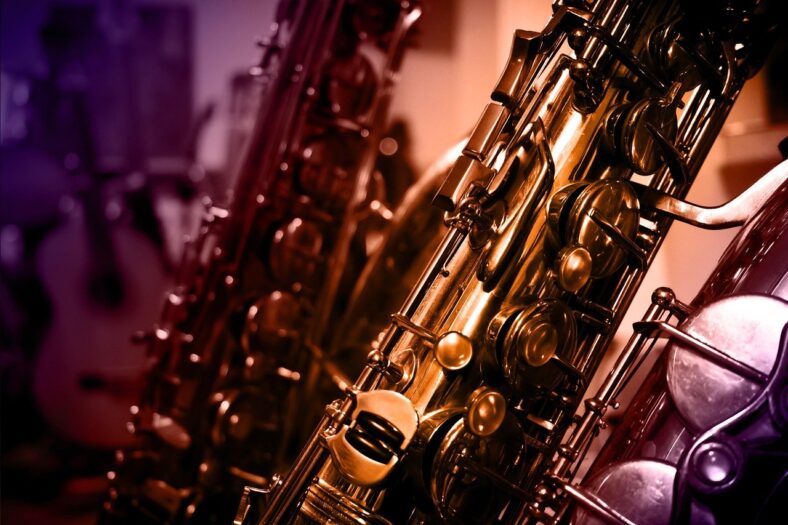
Saxophone, trumpet, piano, bass and drums are some of the instruments most closely associated with jazz. They cover many familiar small-group lineups, but jazz musicians also use guitar, clarinet, trombone, flute and a wide range of other instruments.
These twelve instruments share the melodic, harmonic and rhythmic work in jazz. Each one's role changes with the band, from a compact combo to a full big band.
Contents
1. Saxophone
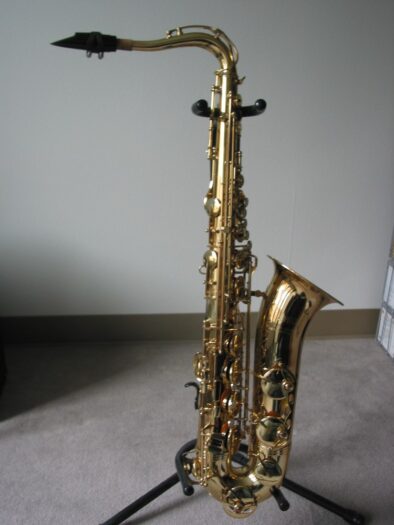
The saxophone is a woodwind instrument, even though its body is usually made from brass. A vibrating single reed produces the sound. Alto and tenor saxophones are particularly common in jazz, with soprano and baritone adding different ranges and colors.
In a small combo, a saxophonist often plays the main melody before taking an improvised solo. The instrument can sound warm and breathy, bright and forceful, or somewhere between the two. Articulation and tone help make one player's version of a melody feel different from another's.
A typical big-band saxophone section has two altos, two tenors and a baritone. Together, they can play a melody in harmony, answer the brass, or supply a background beneath a soloist. Listen for the change from a single saxophone voice to the smooth, blended sound of an entire section.
2. Trumpet
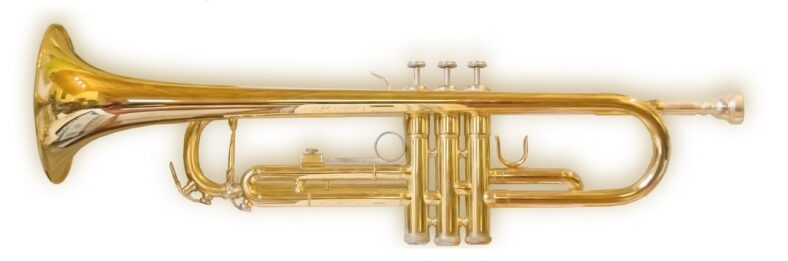
The trumpet’s clear attack makes it effective for melodies, accents and improvised lines. The player produces the sound by vibrating the lips into the mouthpiece, then uses valves and changes in breath and embouchure to reach different notes.
Jazz trumpeters use a wide range of tone colors. A mute placed in the bell can soften or reshape the sound, while bends and other expressive effects make a phrase resemble a sung line.
In a combo, the trumpet may share the melody with a saxophone or lead on its own. In a big band, several trumpets usually play coordinated parts, with the lead player helping define the section's phrasing and upper line. When the full band reaches a strong accent, the trumpet section often supplies the bright edge at the top.
3. Piano
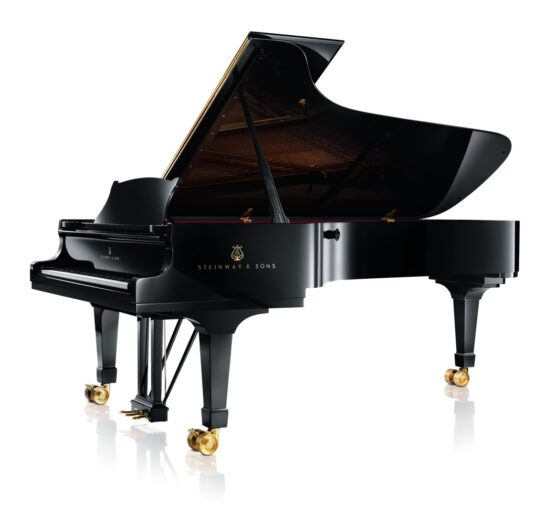
The piano can play melody, chords and bass notes, which makes it flexible enough for solo performance and ensemble work. In a jazz group, it often belongs to the rhythm section, supporting the soloist while helping establish the harmony.
That accompaniment is commonly called comping. A pianist chooses chord voicings, rhythms and spaces that fit the music around them. Comping does not mean repeating the same block chord on every beat. A short chord placed in response to a soloist can be more useful than a continuous stream of notes.
During a piano solo, bass and drums continue to support it. In a big band, the pianist also needs to leave room for written horn parts. Fewer notes can make a crowded ensemble sound clearer.
4. Double Bass
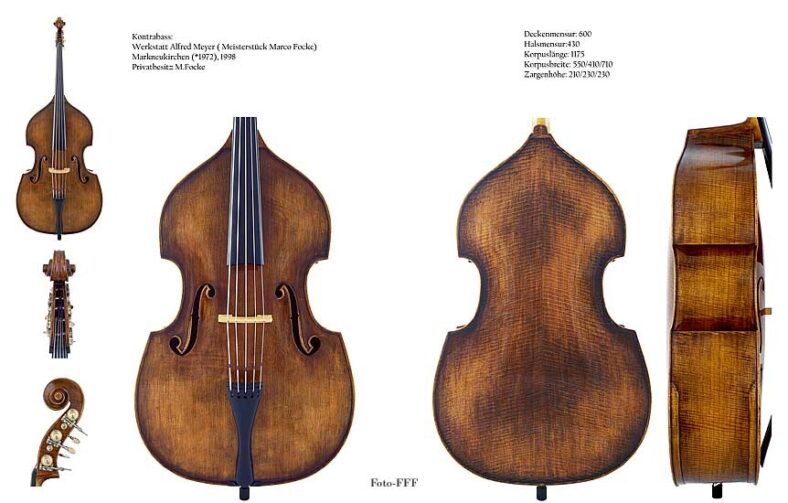
The double bass, also called upright bass, supplies the low foundation in many acoustic jazz groups. Players often pluck its strings, a technique called pizzicato, although bowing also appears in solos and particular arrangements.
A walking bass line is one of its most recognizable jazz roles. Moving notes, often one per beat, connect the changing chords while maintaining a steady pulse. Alongside root notes, passing notes and chord tones help the line move smoothly from one harmony to the next.
Not all jazz bass playing walks. A bassist may use a repeated figure, longer notes or more open rhythmic phrases. The placement and length of each note, and its relationship with the drums, help shape the feel.
5. Drum Kit
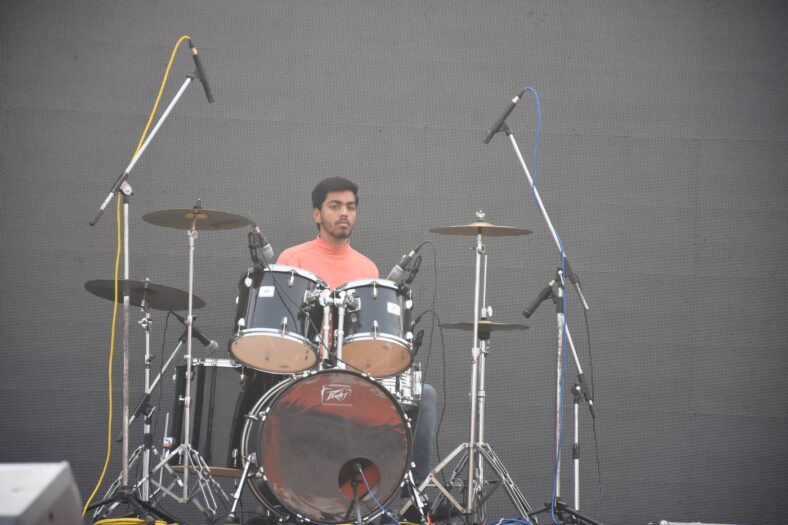
A drum kit combines several instruments under one player: typically bass drum, snare, toms, hi-hat and cymbals. The drummer uses them to shape the pulse and support the arrangement, but each piece can have a different job.
In many swinging jazz settings, the ride cymbal carries a repeating time pattern while the snare and bass drum add accents. The hi-hat helps reinforce the feel. This is different from assuming the bass drum must mark every beat or the snare must always play a fixed backbeat.
Brushes give the drummer another texture, especially in quieter music. They can sweep across the snare head as well as strike it, creating a continuous sound underneath the other players. A shift in cymbal, volume or texture changes the intensity without changing the tempo.
6. Guitar
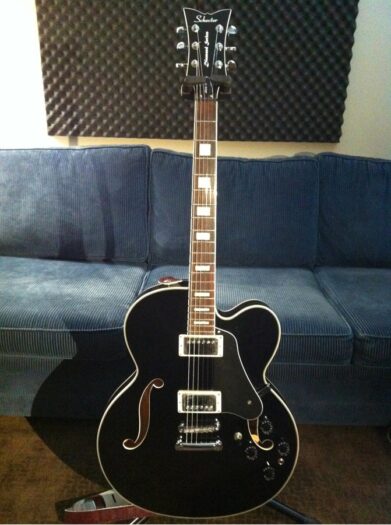
The guitar can provide chords, melodic lines and a rhythmic pulse. Acoustic archtop guitars are familiar in earlier jazz ensembles, while amplified instruments allow players to sustain notes and be heard more clearly beside horns and drums.
In some big bands, rhythm guitar supplies short chords in a steady four-beat pattern. In a small group, the guitarist may comp more freely, using gaps and syncopated accents much like a pianist. If piano and guitar are both present, they need to listen closely so their chord parts do not crowd each other.
Jazz guitar solos can use single-note lines, chords or a mixture of both. A guitar-led trio may place the instrument in the foreground for most of the tune, moving between accompaniment and sustained lead notes.
7. Trombone
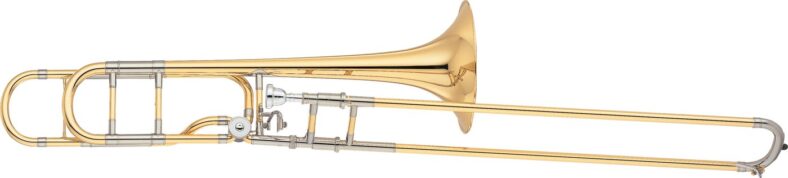
The trombone adds a broad, lower brass voice. Its slide allows the player to adjust pitch continuously, making smooth slides possible, but much jazz trombone playing also uses clearly articulated individual notes.
In a small ensemble, the instrument can carry a melody, improvise or provide a contrasting line around another horn. Its range and flexibility allow it to lead as well as support the trumpet.
A big-band trombone section supplies harmonies, riffs and weight beneath the higher brass. The bass trombone extends its bottom range. Matching entrances and note lengths matters just as much as producing a full tone.
8. Clarinet
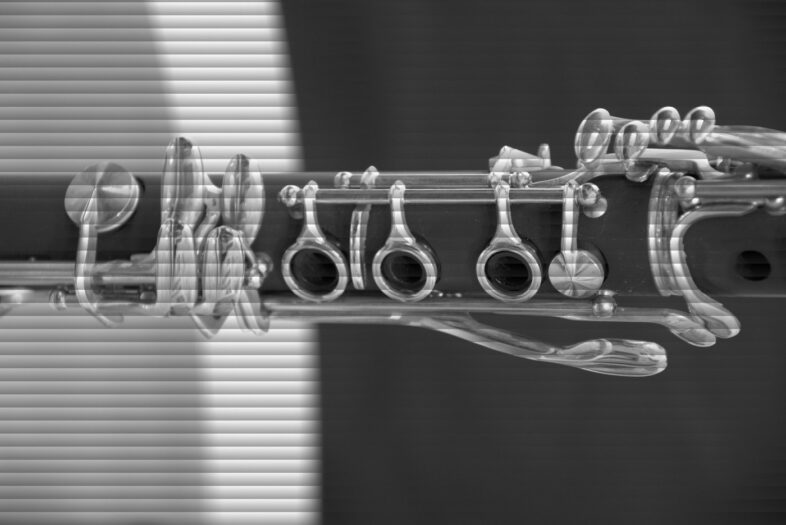
The clarinet is a single-reed woodwind with a wide range. Its lower notes have a dark, rounded quality, while the upper register can be bright and agile. That contrast gives players plenty of room to shape a melodic phrase.
It is particularly recognizable in traditional jazz ensembles, where it may play a moving line above or around the main melody. Several musicians can improvise together in that setting, so the clarinet does not always wait for a separate solo chorus before becoming active.
In larger bands, a saxophonist may double on clarinet when the arrangement calls for a different color. Contemporary players also use it in many other settings. To identify it by ear, notice the combination of a woody lower sound and clear, ringing high notes. The arrangement determines its role, and players use it across different eras of jazz.
9. Flute
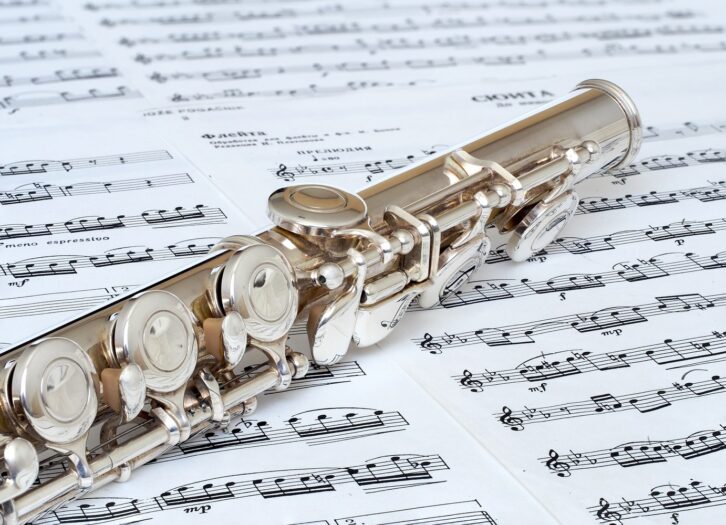
The flute produces sound when the player directs air across an opening, rather than through a vibrating reed. Its light, breathy character gives it a different place in the ensemble from the stronger reed and brass sounds.
In jazz, it can be a lead instrument or an additional color played by a saxophonist who doubles. A flute melody over a quiet rhythm section sounds very different from the same line on trumpet. Amplification can help it remain audible when the rest of the band becomes louder.
Flutists can articulate fast passages, sustain gentle notes and use expressive effects. A flute entrance can lighten the ensemble's texture without requiring a change in harmony.
10. Vibraphone
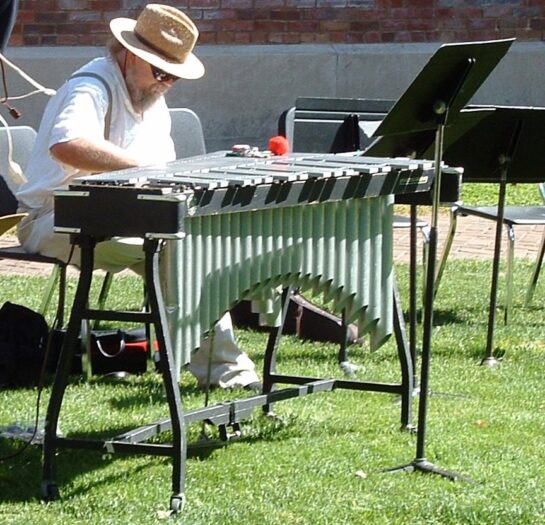
The vibraphone has metal bars played with mallets. Resonator tubes beneath the bars help project the sound, and rotating discs can produce a pulsing effect. A pedal controls damping, allowing notes to ring or stop more quickly.
Its clear attack and sustained tone suit both melodic solos and chordal accompaniment. Players may use two mallets for lines or four mallets to reach several notes at once.
Listen for its shimmering sound and the way the player controls ringing notes. Careful pedaling leaves room for a new chord or another musician's phrase. Vibraphone does not belong in every jazz lineup, but it gives a small group a distinctive sound without needing a large horn section.
11. Hammond Organ
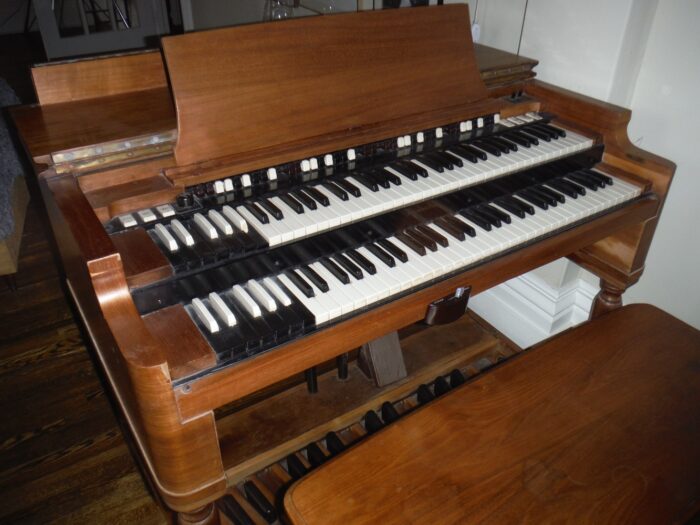
The Hammond organ, particularly the B-3, is closely associated with jazz organ groups. Its drawbars let the player combine different tone components, and a Leslie speaker adds a moving, swirling sound through rotating elements.
An organist can play chords and a melody while also providing a bass part, using the left hand, pedals or a combination of both. This allows an organ trio to work with organ, guitar and drums, without a separate bassist.
Chords can remain present underneath a melodic line, and a player can build intensity by changing registration and articulation. Listen for the low line as well as the upper sound: one musician covers jobs that an acoustic combo divides among different people.
12. Electric Bass
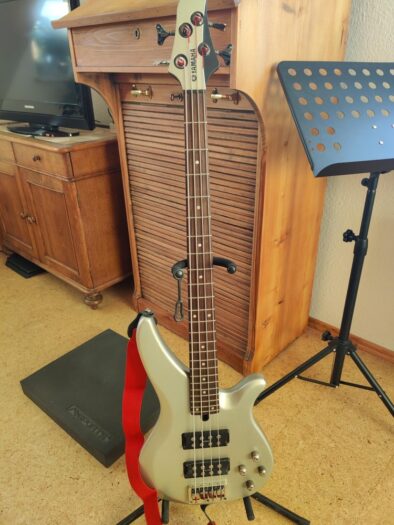
Electric bass is common in jazz fusion and other amplified settings. Its compact body and amplified signal give it a different attack and sustain from double bass, although both instruments can support harmony, pulse and melodic solos.
A player might use a repeating riff, a syncopated groove or a walking line. The arrangement and the interaction with the drummer guide the choice of pattern. Players can also change their articulation to suit the rest of the band.
When keyboards, electric guitar and drums create a dense texture, the bass keeps the low end defined. A short note can leave space for a drum accent, while a sustained one connects a changing chord.
Summary
A small jazz combo leaves plenty of space for individual players to respond to each other. A big band organizes many of the same sounds into saxophone, trumpet, trombone and rhythm sections, with written parts helping them move together.
These twelve instruments are a starting point for exploring jazz, and a group does not need all of them. Musicians also play jazz on many other instruments and with the human voice. To understand a group, listen for who carries the melody, who supplies the harmony and how the bass and drums shape the feel. Following those roles tells you more about the group than counting the musicians on stage.
Saxophone Image by: Fred Jala, CC BY 2.0, via Wikimedia Commons
Trumpet Image by: PJ, CC BY-SA 3.0, via Wikimedia Commons
Piano Image by: Steinway & Sons, CC BY-SA 3.0, via Wikimedia Commons
Double Bass Image by: Achias, CC BY-SA 3.0, via Wikimedia Commons
Drum Kit Image by: Bharath chandra badavath, CC BY-SA 4.0, via Wikimedia Commons
Guitar Image by: Clickside, CC BY-SA 4.0, via Wikimedia Commons
Trombone Image by: Yamaha Corporation, CC BY-SA 4.0, via Wikimedia Commons
Clarinet Image by: Horst J. Meuter, CC BY-SA 4.0, via Wikimedia Commons
Flute Image by: Petar Milošević, CC BY-SA 4.0, via Wikimedia Commons
Vibraphone Image by: Kelly Martin (attribution assumed on the Commons file page), CC BY-SA 3.0, via Wikimedia Commons
Hammond Organ Image by: jmorland, CC0, via Wikimedia Commons
Electric Bass Image by: Elmschrat, CC BY-SA 4.0, via Wikimedia Commons