12 Types of African Music
African music includes intricate guitar dance music, brass-heavy funk, devotional singing, acoustic storytelling, and electronic club tracks. Highlife, Afrobeat, mbalax, soukous, and amapiano are just a few of the styles worth exploring.
There is no single African sound. The continent’s musical traditions cross languages and national borders, and musicians constantly borrow from one another. Some of the types below are commercial genres; others are older performance traditions with important social or spiritual roles.
These 12 styles and traditions offer a starting point for listening, with artists and sounds that help you hear the differences. They are only a small part of the continent’s music.
Contents
1. Highlife
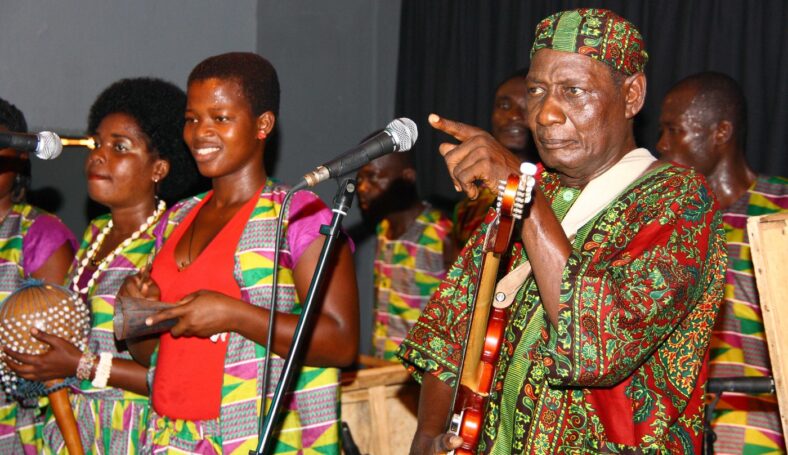
Highlife developed in the area now known as Ghana and spread through West Africa, especially Nigeria. Its history includes dance orchestras, brass bands, and guitar-based groups. Across these versions, tuneful songs and dance rhythms are central.
In brass-led highlife, listen for bright horn melodies and an easy dance-band swing. Guitar highlife often creates its momentum through repeating, interlocking guitar phrases. The instruments seem to answer each other rather than simply accompany a singer playing chords.
E. T. Mensah and the Tempos are a good starting point for the orchestral sound. For guitar-centered Nigerian highlife, try recordings by Chief Stephen Osita Osadebe. The two show highlife’s range of related sounds; there is no single fixed arrangement.
2. Afrobeat
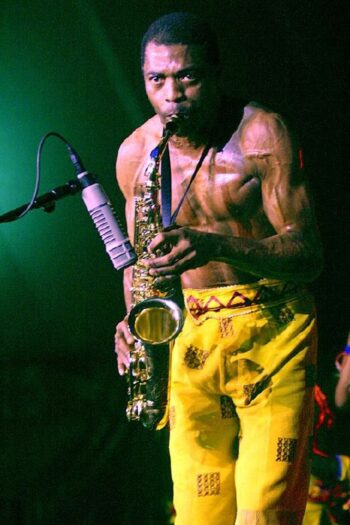
Afrobeat combines West African musical influences with funk and jazz. Nigerian bandleader Fela Kuti and drummer Tony Allen were central to its development. Their recordings build grooves from parts that lock together while leaving room for solos and changing horn lines.
Listen for repeating guitar and bass patterns, layered percussion, punchy brass, and call-and-response vocals. A track may spend several minutes establishing its instrumental groove before the lead singer enters. Political and social criticism are important features of Fela’s work.
Fela Kuti’s “Water No Get Enemy” is an accessible introduction. For another generation of the music, explore Femi Kuti or Seun Kuti. Give the longer tracks time: much of the pleasure comes from noticing how individual parts change the feel of a repeating pattern.
3. Afrobeats
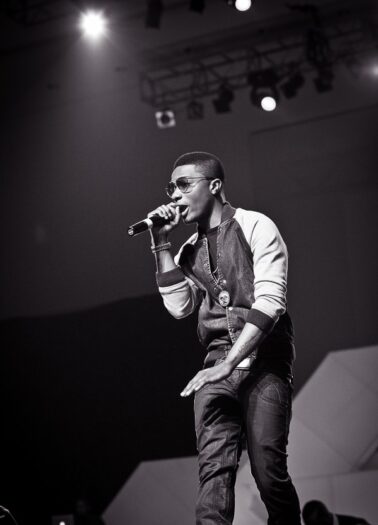
Afrobeats, with an “s,” is a broad label for contemporary West African popular music, especially music associated with Nigeria and Ghana. It draws on several styles, including local popular traditions, hip-hop, R&B, and dancehall. It is different from Fela Kuti’s Afrobeat.
You will often hear programmed drums, syncopated percussion, melodic singing, and a strong chorus. Arrangements tend to make room for the voice rather than reproduce Afrobeat’s extended big-band jams. Different artists use the label very differently, so no single drum pattern defines every recording.
Try Wizkid’s “Ojuelegba,” then explore Tiwa Savage and Davido. Compare the vocal phrasing and production with a Fela recording. Although they share influences, Afrobeats and Afrobeat sound quite different. Using the names interchangeably obscures that difference.
4. Mbalax
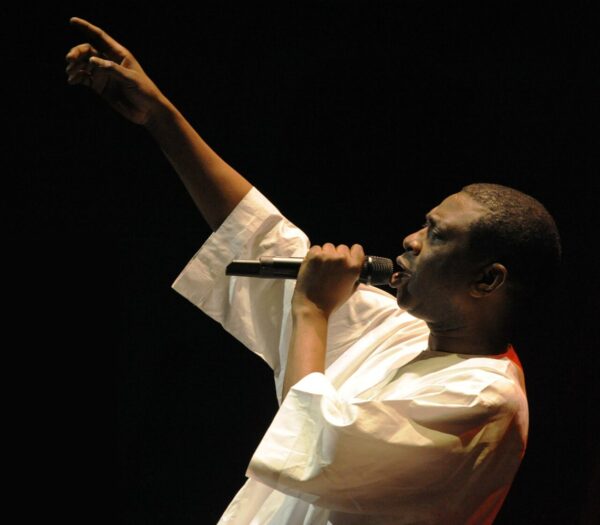
Mbalax is closely associated with Senegal and the Gambia. It brings sabar drumming into popular band music, alongside electric instruments and influences from styles such as soul and jazz. Youssou N’Dour helped bring this music to international audiences.
The percussion is the first thing to follow. Instead of staying quietly behind the melody, the drums can interrupt, answer, and redirect the band. Rapid figures create a restless surface while the bass and other instruments maintain a danceable foundation underneath.
Listen to Youssou N’Dour’s “Immigrés,” or explore recordings by his band, Super Étoile de Dakar. For another perspective, try Thione Seck. International crossover singles do not always show the fullest mbalax sound, so a live performance or a Senegalese album can be a better introduction to its rhythmic detail.
5. Mandé Jeli Music
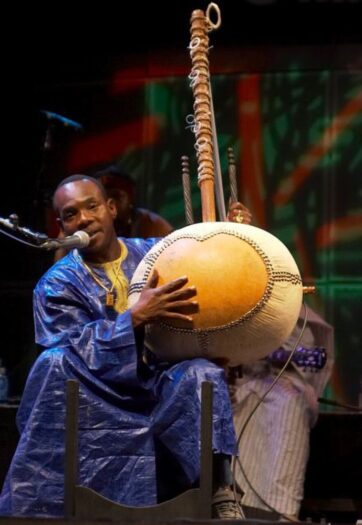
Across parts of Mali, Guinea, Senegal, and neighboring countries, jeli musicians maintain traditions of praise singing, historical storytelling, and instrumental performance. “Griot” is another widely used name, although local terms and musicians’ roles vary.
The kora, a plucked harp-lute, is a particularly recognizable instrument in some of these traditions. Its cascading patterns can sound like a melody and accompaniment being played at once. Other ensembles use instruments such as the balafon and ngoni, with singing that carries family histories or praise.
Toumani Diabaté’s Kaira is a useful introduction to solo kora playing. To hear the instrument in a different setting, try his collaborations with Ali Farka Touré. Those collaborative recordings cross musical boundaries; they should not be treated as a sample of every Mandé tradition.
6. Soukous
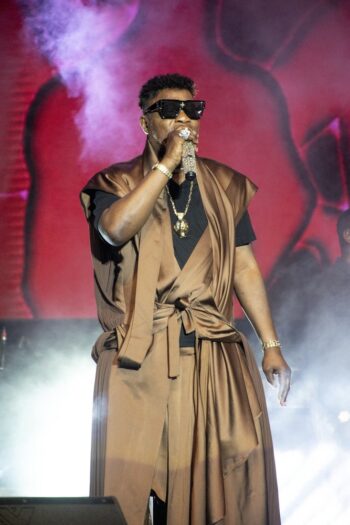
Soukous grew out of Congolese rumba and became known for lively dance sections and intricate electric guitar work. It developed around the Congo region and traveled widely, influencing musicians elsewhere in Africa as well as diaspora communities.
Listen for sparkling lead guitar lines weaving above the rhythm section. Many recordings move toward a sebene, an extended instrumental dance passage in which short guitar figures and rhythmic patterns gather momentum. The band can make a repeated phrase feel increasingly energetic without a dramatic change of chords.
Try Diblo Dibala and Kanda Bongo Man for guitar-led dance music, then explore Koffi Olomide’s wider Congolese repertoire. Congolese rumba and soukous are closely related, but they are not exact synonyms: a slower rumba ballad can feel very different from a fast soukous dance sequence.
7. Taarab
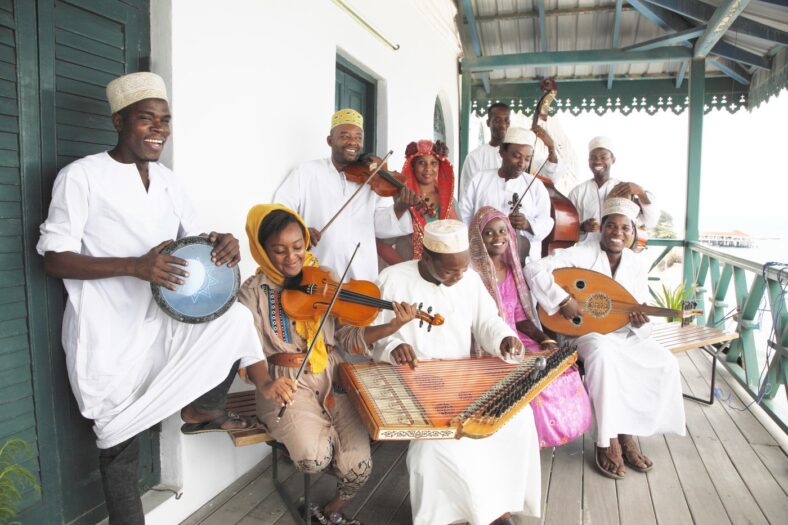
Taarab is associated with the Swahili coast, especially Zanzibar. It brings Swahili-language poetry together with musical influences shaped by Indian Ocean connections, including Arab and South Asian traditions. It is an important part of celebrations and social life.
Older orchestral forms can feature strings, oud, qanun, percussion, and an expressive singer. The words are important: songs may communicate social commentary indirectly through imagery and allusion. Instrumentation and performance styles vary considerably, particularly between older ensembles and amplified modern groups.
Explore recordings by Siti binti Saad and Bi Kidude, then listen to an ensemble such as Ikhwani Safaa Musical Club. An English translation can help you understand the lyrics. You can also follow the singer’s ornamented phrases and the orchestra’s responses without knowing the words.
8. Ethio-Jazz
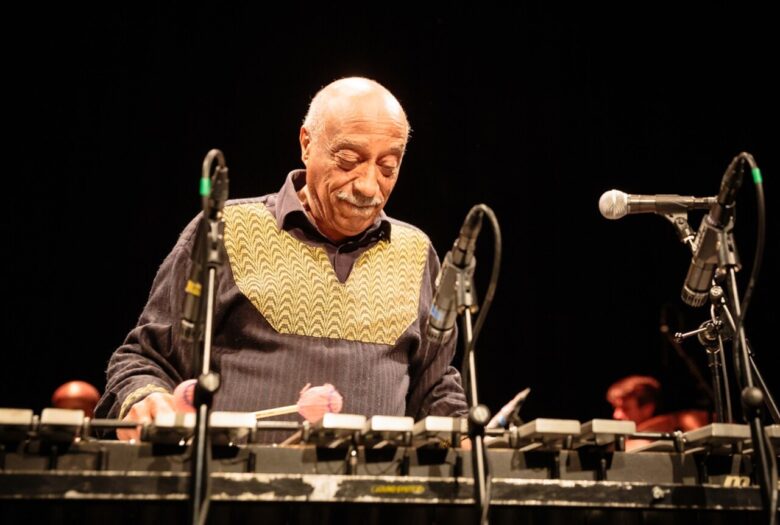
Ethio-jazz combines Ethiopian melodic influences with jazz and other popular music. Mulatu Astatke is a central figure, known for arrangements that bring together Ethiopian musical ideas, jazz instrumentation, and Latin-influenced rhythms.
Listen for distinctive melodic shapes, warm horn sounds, repeating bass figures, and an unhurried groove. Vibraphone and percussion are particularly useful sounds to follow in Astatke’s recordings. The music can feel familiar to a jazz listener while its melodic language gives it a different character.
“Yèkèrmo Sèw” is a strong starting point, followed by the compilation Éthiopiques 4: Ethio Jazz & Musique Instrumentale 1969–1974. Ethio-jazz represents one strand of Ethiopian music; it does not cover the country’s many religious, regional, and vocal traditions.
9. Gnawa
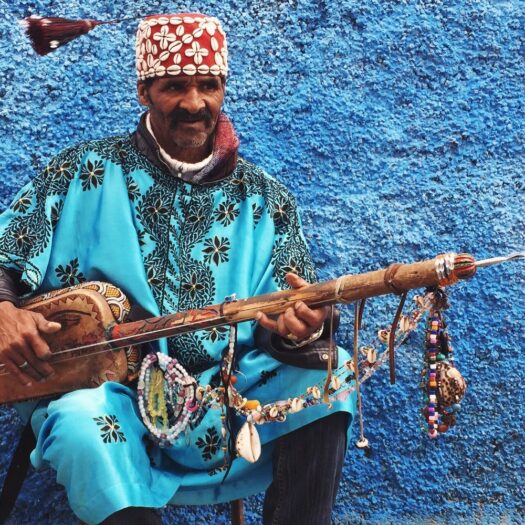
Gnawa is a Moroccan musical and spiritual tradition connected to communities with historical roots in sub-Saharan Africa. It includes ritual practices as well as public performances, and its music should be understood in that wider context.
The guembri, a plucked three-stringed instrument with a low, percussive sound, often anchors the ensemble. Metal castanets called qraqeb create a persistent ringing pulse, while a leader and group exchange sung phrases. Repetition allows a performance to develop gradually rather than rush toward a short pop-song chorus.
Start with recordings by Maâlem Mahmoud Guinia or Maâlem Hamid El Kasri. Gnawa musicians also collaborate with jazz and rock artists. These collaborations offer another way to hear Gnawa, although a festival arrangement may differ from an all-night ceremonial performance.
10. Raï
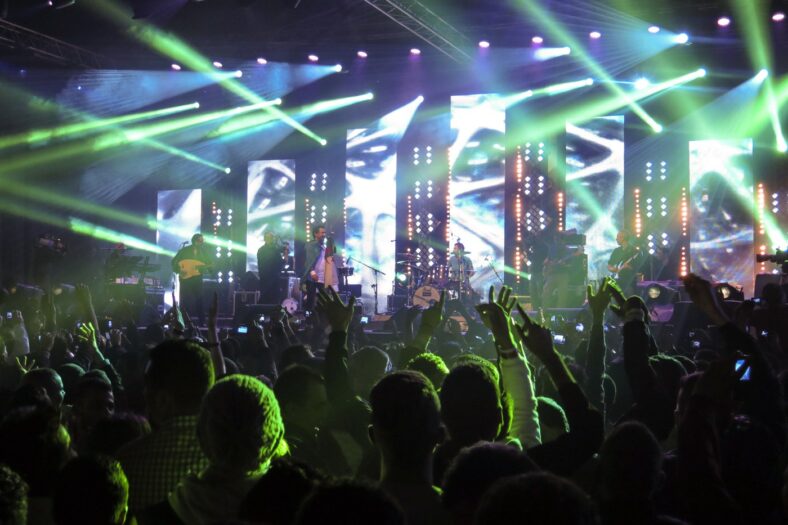
Raï is associated with western Algeria, particularly Oran and the surrounding region. It developed through popular singing traditions and became an important vehicle for songs about everyday life, relationships, and social concerns.
Earlier recordings and later electric pop-raï can sound quite different. In modern arrangements, synthesizers, drum machines, and other amplified instruments support a distinctive, ornamented vocal line. The singer’s slides and emphatic delivery remain important even when the backing sounds closer to international pop.
Compare Cheikha Rimitti with Khaled to hear that range. Khaled’s “Didi” is an easy introduction to pop-raï, while Rimitti’s recordings offer a different perspective on raï’s vocal history. Neither recording style represents all North African music, which contains many other traditions.
11. Mbaqanga
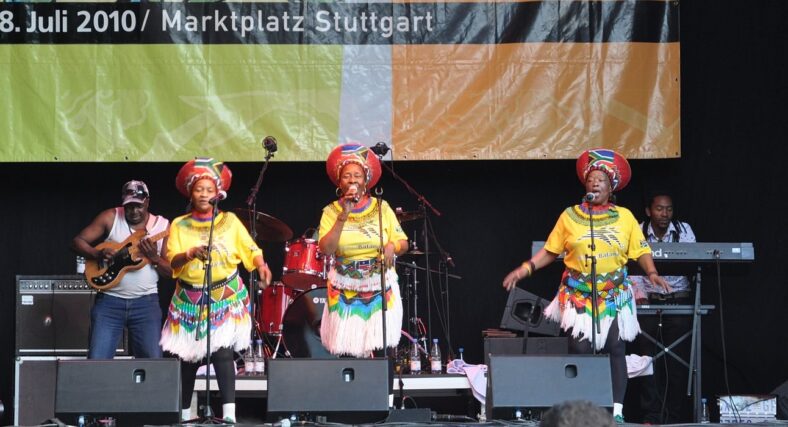
Mbaqanga developed in South African urban music scenes, drawing on local traditions alongside jazz and other popular sounds. Its electric band arrangements became closely associated with township dance music and influential vocal groups.
Listen for a buoyant bass line, concise electric guitar figures, and a strong repeating beat. In vocal mbaqanga, singers may answer one another with contrasting ranges and tightly coordinated phrases. The way the singers respond to each other can be as important as any instrumental solo.
Mahlathini and the Mahotella Queens are a good introduction, with the Makgona Tsohle Band providing an important instrumental reference point. Compare this electric sound with South African unaccompanied choral styles: the country has several distinct musical traditions, and mbaqanga is only one of them.
12. Amapiano

Amapiano is a South African electronic dance style that emerged in the 2010s. Its sound includes house influences, spacious keyboard parts, shuffling percussion, and a distinctive low percussion sound commonly called the log drum.
Listen for how the bass and percussion create movement without filling every moment. Tracks often unfold slowly, introducing a vocal hook or a stronger low-end pattern after the groove is established. Some recordings emphasize jazz-like keyboard playing; others favor chants, sparse textures, and forceful dance-floor percussion.
Kabza De Small and DJ Maphorisa’s collaborations are useful starting points, while “Woza” by Mr JazziQ, Kabza De Small, and Lady Du offers a vocal-led example. Amapiano overlaps with other contemporary scenes, but it should not simply be filed under Afrobeats because both have reached international club audiences.
Summary
The easiest way to explore African music is to follow one sound that catches your ear. If you enjoy guitar interplay, start with highlife and soukous. For brass and intricate drum grooves, try Afrobeat and mbalax. Kora recordings and taarab offer different approaches to melody, while Gnawa places repetition within a spiritual tradition.
There are many more styles to explore beyond these 12. Compare artists within a style, look for live performances, and follow the names of individual musicians. That will reveal far more than treating the whole continent as one genre.
Ebo Taylor Image by: Schorle, CC BY-SA 3.0, via Wikimedia Commons
Femi Kuti Image by: Tom Beetz, CC BY 2.0, via Wikimedia Commons
Wizkid Image by: TCD PHOTOGRAPHY/The TCD Concept Ltd, CC BY-SA 3.0, via Wikimedia Commons
Youssou N'Dour Image by: Henryk Kotowski, CC BY-SA 3.0, via Wikimedia Commons
Toumani Diabaté Image by: jbach, CC BY-SA 2.0, via Wikimedia Commons
Koffi Olomide Image by: Romario COFFI, CC BY-SA 4.0, via Wikimedia Commons
Zanzibar Taarab Kidumbak Ensemble Image by: Nicholas Calvin, CC BY-SA 4.0, via Wikimedia Commons
Mulatu Astatke Image by: Tore Sætre, CC BY-SA 4.0, via Wikimedia Commons
Gnawa musician Image by: Sambasoccer27, CC BY-SA 4.0, via Wikimedia Commons
Khaled Image by: Hichem Merouche, CC BY 2.0, via Wikimedia Commons
Mahotella Queens Image by: Vonvon, CC BY-SA 3.0, via Wikimedia Commons
DJ Qness Image by: Kat Grudko, CC BY-SA 4.0, via Wikimedia Commons