
The 6 Best Trumpets for Beginners and Advancing Players of 2026

The right trumpet depends on your playing level, handling, and response. These six full-size B-flat models cover student instruments and upgrades; compare them with a teacher where possible.
My top recommendation is the Yamaha YTR-2330 for a beginner, with a two-piece yellow-brass bell and an adjustable third-valve slide arrangement for developing intonation control.
My budget recommendation is the Bach BTR301, a student trumpet with a .459-inch bore, adjustable third-valve slide ring, and an included mouthpiece and case.
Contents
The Best Trumpets for Beginners and Advancing Players (2026)
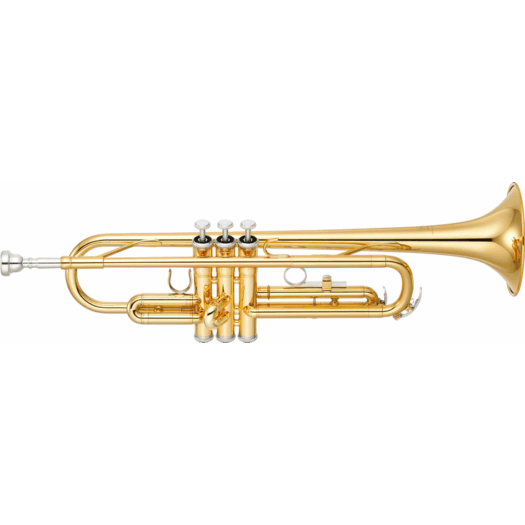
1. Yamaha YTR-2330
The YTR-2330 is a sensible first trumpet to discuss with a teacher or school band director. Yamaha uses a two-piece yellow-brass bell and a balanced instrument layout aimed at supporting a comfortable hand position.
Pros
- Two-piece yellow-brass bell
- Adjustable third-valve slide arrangement for developing intonation control
Cons
- Pricey for a first trumpet
The adjustable third-valve slide arrangement and water key are useful practical details. A beginner needs to reach the valve buttons and hold the trumpet without fighting its balance, so check the fit rather than choosing entirely from specifications. The teacher can also demonstrate how the slide is used for intonation adjustments.
This entry concerns the gold-lacquer YTR-2330. The YTR-2330S is the silver-plated variant, which should be matched to the correct photograph and listing. Finish is a purchasing detail, but it should not distract from the instrument’s condition and playing response.
Its limitation is that buying a recognized student model cannot solve technique issues or guarantee a flawless used instrument. Test valve return and slide movement, and ask what preparation is included. For a child who is only starting, a suitable rental can also make more sense than immediately buying new. The YTR-2330 belongs on the shortlist because it is a straightforward student B-flat trumpet, not because every beginner must own the same model.

2. Bach BTR301
The BTR301 is Bach’s current premium student option to compare with the Yamaha. It has a .459-inch bore, a two-piece yellow-brass bell, a gold-brass leadpipe, and Monel pistons.
Pros
- Monel pistons and a gold-brass leadpipe
- Bach 7C mouthpiece and ABS case included
Its first-valve thumb saddle and adjustable third-valve slide ring provide the usual control points for developing intonation technique. The included Bach 7C mouthpiece and ABS case make the basic package clear, although the seller should confirm the supplied accessories for the exact offer.
Try it using the same mouthpiece and short passages as the competing trumpet when practical. Changing the horn, mouthpiece, and room at once makes the comparison harder to interpret. A teacher can help check whether the player is responding to the instrument’s feel or merely to an unfamiliar setup.
The BTR301 should not be confused with a Bach Stradivarius, nor should an older TR300 listing be assumed to describe this exact model. It is a student instrument with its own specification. Choose it if the response, handling, seller preparation, and support suit the player. There is little reason to replace a functioning student trumpet solely because another beginner model has a different badge or a longer feature list.

3. Yamaha YTR-4335GII
The YTR-4335GII is a model to audition when a progressing player wants to explore a different response and a gold-brass bell. Its two-piece bell and Monel pistons distinguish its specification from simply choosing a different finish on the student Yamaha.
Pros
- Gold-brass bell and Monel pistons
- A specific upgrade option to audition beyond a first trumpet
Cons
- Pricey for a first trumpet
Yamaha positions the instrument for players moving forward from their first trumpet. The sensible test is whether it helps you control the sound and move between registers comfortably. Play soft attacks, connected phrases, and articulated passages rather than judging the upgrade from one loud note.
The GII model has a gold-lacquer finish; the GSII is silver-plated. Gold brass refers to the bell alloy, not a precious-metal finish. Keep those separate when comparing shop descriptions, especially if a retailer uses shortened model names.
An intermediate instrument is not a compulsory stage between a student trumpet and a professional one. If your current horn is reliable, ask your teacher whether this offers a useful improvement for your playing. Depending on the available examples and condition, an inspected used professional instrument may also belong in the audition. The 4335GII makes sense when its particular feel and tone suit you, rather than because a timetable says it is time to upgrade.

4. Jupiter JTR1100SQ
The JTR1100SQ is an alternative for an advancing player who wants to compare a reverse-leadpipe design. Jupiter specifies a rose-brass leadpipe, silver-plated finish, and a .460-inch bore on this B-flat trumpet.
Pros
- Reverse leadpipe with rose-brass construction
- First-valve thumb saddle and third-valve slide controls
Cons
- May feel too open if you prefer more blowing resistance
The reverse configuration changes how the leadpipe and main tuning slide connect. Jupiter describes it as a less-resistant setup, but that should be evaluated by playing. “More open” is not automatically more comfortable: some musicians prefer a response that gives them a different amount of resistance.
The first-valve thumb saddle and third-valve slide ring and stop give you intonation controls. Test their reach and movement along with the valves, especially if your previous trumpet had different ergonomics. For an ensemble player, also listen to the instrument from across the room while someone else plays.
Check the complete JTR1100SQ identifier against the listing. Jupiter’s closely named models and regional descriptions can differ, and the lacquered JTR1100Q is not the silver-plated purchase pictured here. Choose this model when its leadpipe configuration and handling offer a useful alternative to the Yamaha. Avoid selecting it from a claim that one bore measurement or material guarantees a particular sound for every player.

5. Bach Stradivarius 180S37
The Bach 180S37 is the professional B-flat trumpet to put on a general-purpose upgrade shortlist. Its standard configuration combines a .459-inch medium-large bore, a one-piece hand-hammered yellow-brass #37 bell, and a #25 leadpipe.
Pros
- One-piece hand-hammered #37 yellow-brass bell
- Conventional #25 leadpipe and .459-inch medium-large bore
Cons
- Pricey compared with the student models here
Those identifiers matter because Bach offers related instruments with other bells, leadpipes, and construction choices. This recommendation concerns the conventional 180S37 specification, rather than every Stradivarius trumpet being interchangeable. Confirm the model on the paperwork and instrument.
Use a longer audition than you would for a casual shop demonstration. Try the registers, dynamics, articulations, and ensemble role you actually play. Ask another player to listen from a distance, and compare more than one example if the dealer has suitable instruments available.
The standard-weight professional design is not a promise of effortless range or a substitute for training. It also deserves a thorough condition check when bought used, including valves, slides, evidence of damage, and previous repairs. Choose it when you can hear and feel a worthwhile improvement over your present trumpet. Its established specification makes it a useful comparison point for the Yamaha Xeno, rather than an automatic winner for every style or player.

6. Yamaha Xeno YTR-8335IIS
The silver-plated YTR-8335IIS is the Xeno model to compare directly with the Bach 180S37. It belongs to Yamaha’s professional YTR-8335II family, with this suffix specifying the yellow-brass-bell, silver-plated variant.
Pros
- Professional Xeno configuration
- Silver-plated alternative to compare with the Bach 180S37
Cons
- Pricey compared with the student models here
The wider family also includes gold-brass-bell models, so check the complete name instead of treating “Xeno 8335” as a single specification. That is especially important when buying from a photograph or a used listing that omits the final letters.
For an experienced player, the purchase question is consistency and control across the work you perform. Compare quiet attacks, sustained phrases, articulated passages, and how the instrument responds after you have warmed up. A familiar mouthpiece helps make the audition a more useful comparison, though a teacher may also suggest a suitable alternative.
This is an instrument to choose after a real audition, not a shortcut to a more mature sound. The Bach and Yamaha can both be appropriate professional choices, and the individual player may prefer one response strongly. If the two feel equally suitable, preparation, aftercare, and the condition of the exact instrument can settle the decision more usefully than small differences in promotional specifications.
How to Choose a Trumpet
Start With the Instrument Your Lessons Require
A full-size B-flat trumpet is the conventional starting point for many school bands and beginner lessons, but ask the teacher or ensemble director before ordering. A cornet, pocket trumpet, C trumpet, or flugelhorn is a different purchase even when the listing uses similar language. Our guide to trumpet types explains those distinctions.
For a young player, check reach, balance, and how comfortably the mouthpiece comes to the face. A useful instrument should let the player concentrate on breathing, articulation, and sound. Get help with the fit rather than assuming a smaller-looking instrument will necessarily be easier.
Buy Condition and Preparation
Valves should return reliably, slides should move as intended, and the instrument should be prepared before it reaches a lesson. A qualified repair technician can identify mechanical problems that a beginner may mistake for bad technique. Ask the seller what inspection and adjustment are included.
For a used trumpet, examine signs of repair, dents, corrosion, valve wear, and stuck components. Let a technician assess problems that could affect playability. A clean finish and a recognizable brand do not reveal everything about the condition inside the instrument.
Understand the Model Suffix
Small changes in model names can identify different finishes, bell materials, leadpipes, or generations. Write down the exact model you audition and compare it with the offer. This is particularly important with the YTR-4335 variants, Jupiter 1100 series, Bach Stradivarius options, and Yamaha Xeno family.
Bell material and bore are useful descriptions, but they do not predict the whole playing experience. The mouthpiece, player, construction, and individual instrument all contribute. Avoid choosing solely because one specification is described as professional or more open.
Audition With a Consistent Routine
Use a familiar mouthpiece where suitable and the same short selection of music on each trumpet. Include quiet starts, a legato phrase, articulated notes, and comfortable register changes. Take breaks so fatigue does not unfairly favor the first instrument you try.
A second listener can help distinguish what you hear behind the bell from what reaches the room. Ask your teacher to demonstrate if you are too new to assess the instruments yourself. A player who can explain what feels better will make a more useful choice than one chasing an unfamiliar high note in a shop.
Frequently Asked Questions
Which Trumpet Is Best for a Beginner?
Start by comparing the Yamaha YTR-2330 and Bach BTR301 with your teacher. A well-serviced rental or used student trumpet can also be suitable. Reliable mechanics, a comfortable fit, and support matter more than buying the most advanced instrument immediately. If you are considering lessons, our article on learning the trumpet covers the early challenges.
Is Silver Plating Better Than Lacquer?
Neither finish guarantees the better trumpet for you. They differ in appearance and care, and the underlying model specification may differ too. Compare the actual instruments and choose the response you prefer. Do not assume that silver plating turns a student trumpet into a professional model.
When Should I Upgrade My Trumpet?
Upgrade when you and your teacher can identify a limitation in the current instrument that another properly functioning trumpet addresses. Mechanical servicing may solve some problems. An intermediate or professional purchase is easier to justify after a direct comparison shows a useful difference.
Does a Trumpet Come With Everything I Need?
Many packages include a mouthpiece and case, but confirm the exact contents. You will also need appropriate maintenance supplies and instruction in using them. A teacher can advise on mouthpiece suitability; repeatedly changing mouthpieces is unlikely to resolve every difficulty a beginner encounters.
Conclusion
Choose the YTR-2330 or BTR301 as a student starting point, audition the 4335GII and JTR1100SQ as specific advancing-player alternatives, and compare the 180S37 with the Xeno for a professional upgrade. Confirm the exact model, test its condition, and use your teacher’s input to finish the purchase.


